
- This event has passed.
Panel: History of Montréal Activism
Panel: History of Montréal Activism
Our upcoming panel event, ‘History of Montréal Activism’ will bring together community activists who have been organizing for generations to explore the rich history of activism in this city, with a particular focus on anti-imperialism. Participants will hear stories about how organizing has evolved throughout time and the effectiveness of different tactics. The discussion will feature active organizers who have played pivotal roles in various movements surrounding Palestine, migrant justice, and women’s rights over the years. Attendees can also look forward to a free dinner, and space for further discussion at the end of the event.
Our panelists include organizers from: Women of Diverse Origins, Old People 4 Palestine, the Immigrant Workers Centre, and École Sans Police. The panel will be moderated by Elena Stoodley.
Women of Diverse Origins is an alliance of grassroots women’s groups and individuals from diverse cultural communities, which has organized the International Women’s Day demonstration for 20 years and other events that reflect our militant stand and our awareness about the world context and the role of our struggles within it.
Old People 4 Palestine is dedicated to supporting the Palestinian struggle through fostering solidarity across generations of activists involved in Palestine organizing in Montreal.
The Immigrant Workers Centre (IWC-CTI) defends the rights of immigrants in their places of work and fights for dignity, respect, and justice. The IWC-CTI was founded in 2000 by a small group of Filipino-Canadian union organizers along with their academic and activist allies. The Immigrant Worker’s Centre emerged to address these needs and concerns, providing both a safe place for workers to discuss their workplace circumstances, as well as establishing an alternative to standard union organizing. It has become a prime example of a community based labour approach in action.
École Sans Police is a subgroup of Montreal’s Defund the Police Coalition. École Sans Police advocates for police-free schools, and organizes a variety of educational events and workshops on alternatives to policing.
Elena Stoodley is a singer, author, songwriter and sound designer and a community organizer. Born in Tio’tia:ke, Montreal, she often blends her passion for social justice and black liberation with her art practices.
October 28, 6-8pm
SSMU University Centre Ballroom (3480 rue McTavish, 3rd floor)
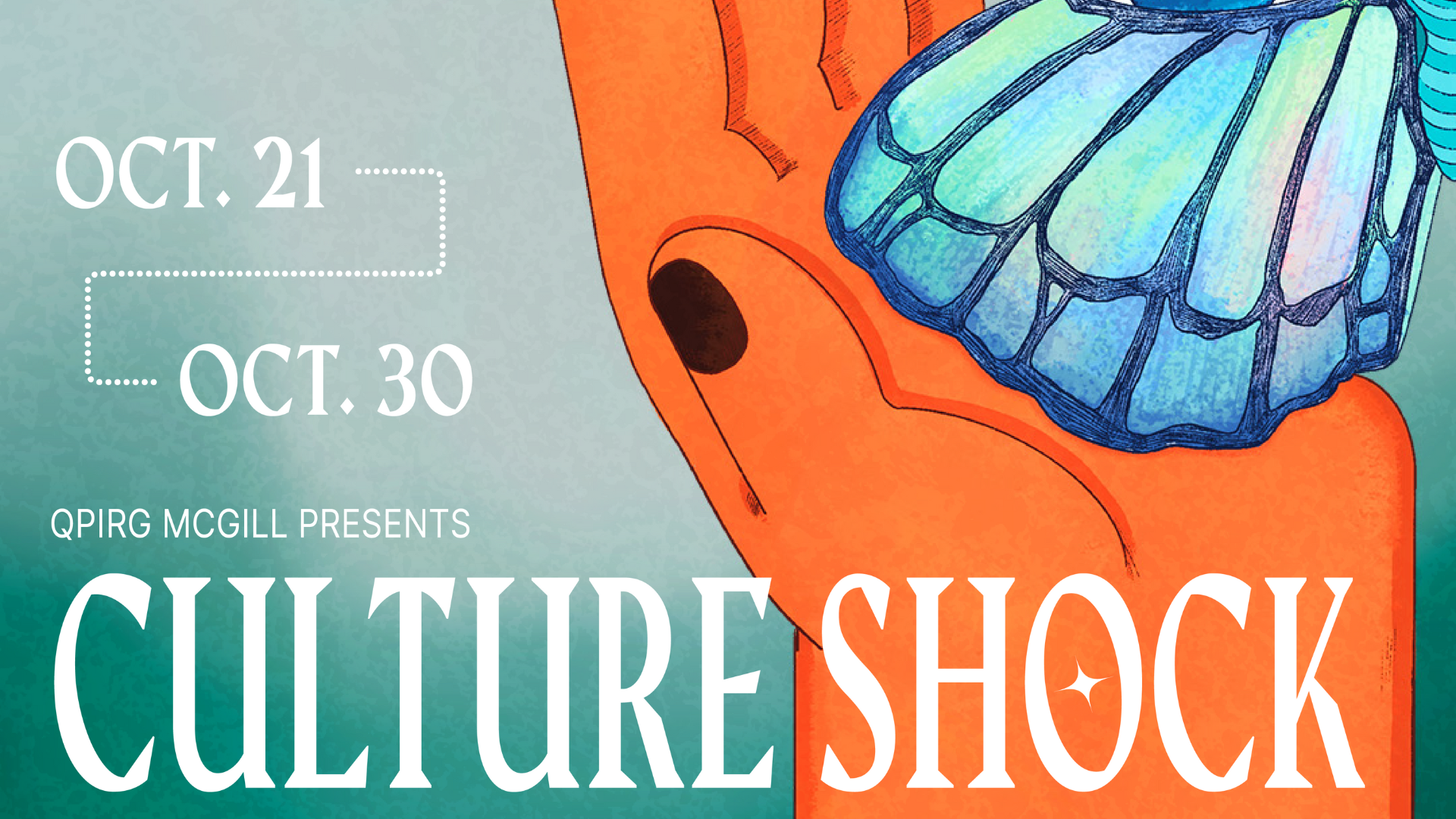
This event is part of Culture Shock 2024! Culture Shock is an annual event series on anti-racism, migrant justice, and Indigenous solidarity. It seeks to bring together racialized communities to discuss issues relevant to their lives, as well as to allow those who do not belong to these communities to learn more about struggles against racism, colonialism and border violence. Every year, QPIRG brings panels, workshops, film screenings, performance nights and fundraiser parties to McGill students and broader Montreal communities.
Culture Shock 2024 will take place from October 21st to 30th. For more information, visit qpirgmcgill.org/cs